
Materials
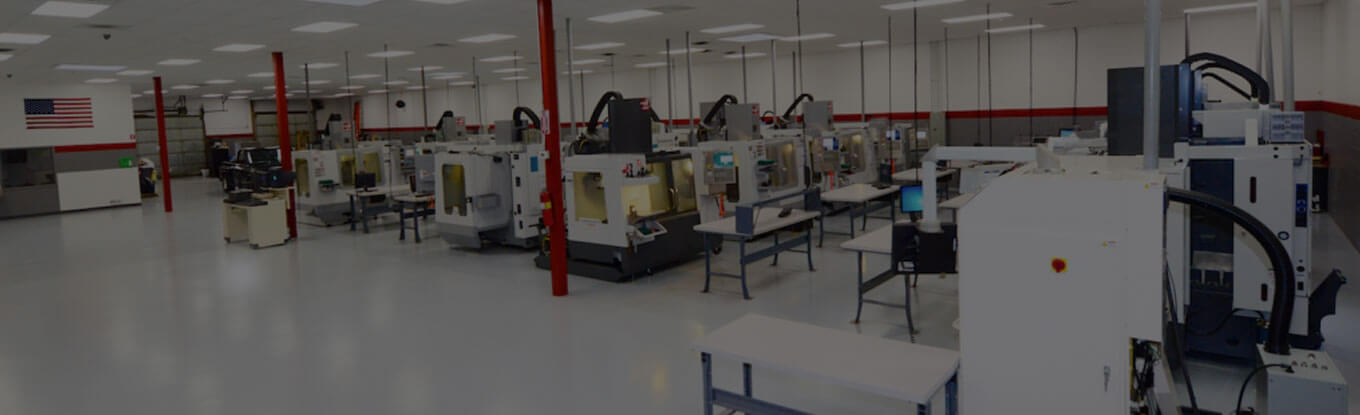
In addition to a full range of traditional metals, Challenge Machine proudly specializes in machining a variety of engineered, exotic, high-performance, and difficult-to-machine plastics. With our extensive precision machining capabilities and a long list of available materials, we proudly serve the contract manufacturing needs of customers in an array of industries including defense, medical, semiconductors, automotive, and many others.
Plastics Include:
- ULTEM™
- Vespel®
- Torlon®
- Delrin®
- Semitron®
- MDS
- PEEK – Polyether Ether Ketone
- PPS – Polyphenylene Sulfide
- LCP – Liquid Crystal Polymers
- ABS – Acrylonitrile Butadiene Styrene
- PC – Polycarbonates
- PMMA – Plexiglas®, ACRYLITE®, Lucite®, Perspex®
- PTFE – Teflon®
- Quadrant – PSU, PPSU
- PVDF – Polyvinylidene Fluoride
- PE, UHMW-PE – TIVAR
- LSG HS PP
- HDPE, Borotron®
- NSM – Nylatron®
- PET-P – Polyethylene Terephthalate
- PBI – Polybenzimidazole
- LDPE – Low-Density Polyethylene
Metals Include:
- Stainless Steels: 303, 304, 316, 440, 17-4
- Aluminum
- Titanium
- Copper
- Brass
- Silver
- Platinum
- Tungsten/Copper
Quality Materials, Expert Precision Machining
At Challenge Machine, we understand that producing quality components requires selecting the ideal materials for an application and having highly-skilled staff and cutting-edge equipment. We can source the best exotic and engineered plastics and metal available, and our staff has extensive experience using our state-of-the-art equipment to meet and exceed each customer’s requirements. The precision machining results we are able to achieve will stand up to the most demanding, exacting applications.
ULTEM™
Vespel
Torlon
Delrin
Semitron
- Semitron® ESd 225: Semitron® ESd 225 is a static dissipative acetal. This material has the same general properties as unfilled acetal, but with static dissipative properties. Its resistive range is 1010 to 1012. Semitron® ESd 225 can be used up to temperatures of 225°F without degradation, and it has broad chemical resistance and good wear resistance.
- Semitron® ESd 410C: Semitron® ESd 410C is a static dissipative Polyetherimide (Ultem®). This material has the same general properties as unfilled Ultem, but with static dissipative properties. Its resistive range is 104 to 106. Semitron® ESd 410C can be used up to temperatures of 410°F without degradation, and it has low stress for tighter tolerances during machining.
- Semitron® ESd 420: Semitron® ESd 420 is a static dissipative Polyetherimide. This material has the same general properties as PEI, but with static dissipative properties. Its resistive range is 106 to 109. Semitron® ESd 420 is thermally stable to temperatures of 420°F without degradation.
- Semitron® ESd 500HR: Semitron® ESd 500HR is a static dissipative reinforced PTFE (PolyTetraFluoroEthylene). This material has the same general properties as unfilled PTFE, but with static dissipative properties. Its resistive range is 1010 to 1012. Semitron® ESd 500HR is thermally stable to temperatures of 500°F without degradation, and it has a high thermal insulation and a low coefficient of friction.
- Semitron® ESd 520HR: Semitron® ESd 520HR is a static dissipative reinforced Polyamide-Imide (Torlon ®). This material has the same general properties as Torlon ® 5530, but with static dissipative properties. Its resistive range of 1010 to 1012. Semitron® ESd 520HR is thermally stable to temperatures of 520°F without degradation and it has high structural strength and stiffness combined with excellent dimensional stability. Semitron® ESd 520HR is ideal for making nests, sockets, and contactors for test equipment and other electronic device handling components. It maintains its dielectric performance at high voltages (>100V), while maintaining its mechanical properties. Most other carbon-fiber-enhanced products become irreversibly more conductive when exposed to moderate voltage.
MDS
PEEK- POlyether Ether Ketone
PPS- Polyphenylene Sulfide
LCP- Liquid Crystal Polymers
ABS- Acrylonitrile Butadiene Styrene
PC- Polycarbonates
PMMA- Plexiglas, Acrylite, Lucite, Perspex
PTFE – Teflon®
Quadrant- PSU, PPSU
PVDF- Polyvinylidene Fluoride
PE, UHMW-PE – TIVAR
LSG HS PP
HDPE, Borotron®
NSM – Nylatron®
Tungsten/Copper
PET-P – Polyethylene Terephthalate
PBI – Polybenzimidazole
LDPE – Low-Density Polyethylene
Stainless Steels: 303, 304, 316, 440, 17-4
Aluminium
Titanium
Steel
Brass
Copper
- Strength, conductivity, corrosion resistance, machinability, and ductility make copper one of the most versatile materials for a broad range of applications. With consumption rising to over 18 million tons per year, copper has become the material of choice for many manufacturers. Variations in composition as well as manufacturing and machining methods contribute to why copper is well suited in a variety of finished products and systems.
- Electrical – Superior electrical conductivity makes copper a good choice in electrical equipment. Industries where copper proves useful as a conductor of electricity includes automotive, medical equipment such as scalpels, computer chips, and more.
- Engineering – Corrosion resistance and high thermal conductivity properties are what compels manufacturers of heat exchange systems to select copper for their end products. Valve, pumps, radiators, refrigeration units, hydraulic tubing, and bolting are a few good examples of where copper is considered a valuable resource.
- Environment – Ductility, malleability, and corrosion-resistant properties enable copper to perform well under the most demanding environmental conditions. Whether in tanks, vessels, oil platforms, coastal power stations, or in any piping or plumbing systems, copper continually maintains its integrity.
Silver
Platinum
- The metal Platinum is usually considered to be a ductile and workable metal. It is readily fabricated by all the usual methods but the machining of platinum by conventional techniques results in rapid and extensive tool wear, with consequent deterioration of the surface finish imparted to the platinum.
- Todays advanced medical procedures use instruments that are made from platinum because it will not corrode inside the human body, and is rarely allergy causing. It is also highly conductive,which makes it a good choice for implantable sensors.